Master Your Sizing: The Body Measurements 3 Templates Set
Getting the fit right is the hardest part of the job. Whether you are a bespoke tailor, a fashion designer drafting a new collection, or a crafter sewing custom cosplay, the foundation of your work rests on accurate data. We have all been there—squinting at a tape measure, trying to jot down numbers on a scrap of paper, or dealing with a client who swore they were a size 12 but turned out to be a size 16. Disorganization in the measuring phase leads to wasted fabric, expensive alterations, and frustrated customers. That is why having a standardized system isn't just a convenience; it is a business necessity.
A Professional System for Precision
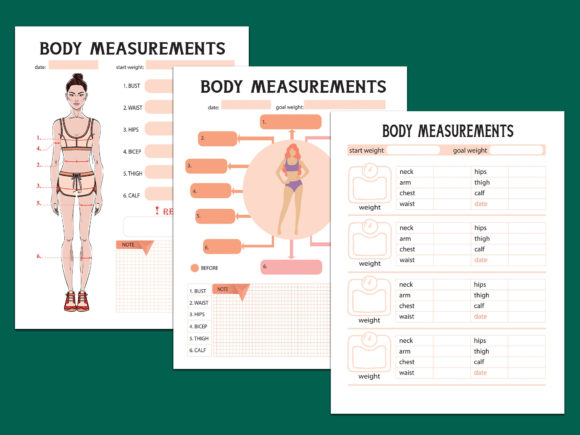
The Body Measurements 3 Templates Set solves this logistical headache by providing a robust framework for recording physical dimensions. This is not just a single sheet of paper; it is a comprehensive package designed to cover every angle of the human form. The set includes three distinct templates, allowing you to capture front, side, and back measurements with clarity. Because it is delivered as a Body Measurements PDF (8.5x11 in) editable in Adobe Illustrator, it bridges the gap between a static document and a flexible tool. You are buying a digital asset that functions like a high-end design asset, giving you total control over the final output.
Visual Style and Personality
Visually, these templates strike a balance between technical precision and modern design. They avoid the cluttered, confusing look of outdated medical forms. Instead, they utilize modern typography principles—specifically, they rely on clean sans-serif fonts and generous white space to guide the eye. The layout is structured logically, using a grid system that makes sense to both the technician and the client. It feels professional, clinical, and organized. This aesthetic matters because the documents you send to clients are a reflection of your brand identity. A sleek, well-designed measurement sheet signals that you pay attention to details, which builds trust before the sewing even begins.
Why Editability Changes Everything
The fact that this is an editable file is the true game-changer here. Most design assets you find online are locked PDFs or flat images. You get what you get. However, because this set is optimized for Adobe Illustrator, you can treat these templates as raw material for your own creativity.
Consider the power of customization here. If you are a small business owner running a bridal boutique, you can open the file, change the line colors to match your brand palette, and insert your logo at the top. If you are a graphic designer working for a client, you can tweak the layout to include specific fields for "Inseam" or "Shoulder Slope" that are unique to that client's manufacturing process. This level of control ensures that your documentation is perfectly aligned with your operational needs. It transforms a generic form into a proprietary business tool.
Practical Applications Across Industries
While this is obviously a staple for the fashion industry, the utility of the Body Measurements 3 Templates Set extends into surprising niches. Here is where this tool shines:
- Costume Design and Cosplay: When building complex armor or period-accurate dresses, you need multiple views. This set provides the multi-angle approach required for 3D garment construction.
- Fitness and Wellness Coaching: Personal trainers often track client progress through body dimensions. Having a clean, editable PDF allows coaches to create branded progress reports that look professional and motivate clients.
- Custom Leatherwork: For creators making harnesses, belts, or bags, precise body mapping ensures comfort and safety. The ability to edit the template in Illustrator means you can create a version specifically for accessories.
- Digital Marketing for Fashion Brands: Content creators and bloggers can use these templates to create educational lead magnets. A "How to Measure Yourself Correctly" guide is a high-value piece of content that drives email sign-ups.
Enhancing Professionalism and Workflow
Using a standardized template does more than just record numbers; it streamlines your entire workflow. When every client fills out the same form, your production team knows exactly where to look for the "Waist" measurement. They don't have to decipher handwriting or search through email chains. This consistency reduces errors in the production line, which directly impacts your bottom line.
From a brand strategy perspective, consistency breeds recognition. When your invoices, contracts, and measurement sheets all share the same visual language, you look established. You look like an authority. This is the essence of professionalism in the creative space. It is about removing friction so you can focus on the creative work—whether that is packaging design, garment construction, or client management.
Technical Considerations for Print and Web
The file is formatted for standard 8.5x11 inch paper, which is the North American letter size. This is crucial for print. You don't want to be resizing files or dealing with awkward margins at the print shop. The Body Measurements PDF is print-ready, ensuring that lines are sharp and text is legible.
However, don't overlook the digital utility. In an era where remote fittings are common, you can email this PDF to a client. They can fill it out digitally (depending on their software capabilities) or print it at home. If you are a web designer creating a portal for a fashion startup, you might even extract the vector elements from the Illustrator file to build interactive measurement forms on a website. The vector nature of the file ensures that whether you print it on a business card or a poster, the quality remains pristine. This is the advantage of working with premium font and vector assets—they scale without pixelation.
Choosing the Right Template for the Job
With three templates included, you have options. You don't need to use all three for every project. For a simple t-shirt order, one front-facing template might suffice. For a tailored suit, you will want the full set to capture the nuances of the posture.
Here is a practical recommendation: Treat these templates as a starting point. Open them in Illustrator and spend an hour customizing them for your specific niche. If you sell vintage clothing, you might want to add fields for "Bust Circumference" vs. "Bust Point." If you work in activewear, "Thigh Circumference" might be a priority. By tweaking the typeface and field placement, you make the tool work harder for you.
Readability and Hierarchy
Good forms rely on visual hierarchy. The designers of this set understood that the labels need to be distinct from the input areas. They likely used a combination of weight and spacing to ensure that a user doesn't get lost halfway down the page. This attention to readability is what separates a professional design asset from a DIY Word document. When you are working with clients who may not speak the same language or understand technical jargon, clear visual cues are essential.
Elevating Your Brand Identity
Ultimately, the tools you use define your business. A crumpled piece of graph paper says one thing; a crisp, branded, editable PDF says another. The Body Measurements 3 Templates Set is more than just a list of sizes—it is a statement of intent. It tells your clients that you are organized, that you value precision, and that you operate at a professional level.
For entrepreneurs and marketers, this is a low-cost way to upgrade your client-facing materials. It integrates seamlessly into a broader ecosystem of design assets. Whether you are creating lookbooks, technical packs, or client onboarding kits, having a reliable measurement system is non-negotiable. It prevents the "garbage in, garbage out" scenario that plagues the fashion and tailoring industries.
Invest in the infrastructure of your creativity. By standardizing how you capture data, you free up mental energy to focus on what you do best: creating beautiful things. This set provides the structure you need to build with confidence.