Master Your Content Calendar with Social Media Reminder Templates
For creators managing the relentless pace of TikTok and Instagram Reels, consistency is the currency of growth. Yet, the mental load of remembering posting times, crafting captions, and sourcing hashtags can drain creative energy before you even open the camera. This is where practical design assets shift from being aesthetic choices to functional necessities. By integrating Social Media Reminder Templates into your workflow, you transform chaotic scheduling into a streamlined visual process. These aren't just pretty graphics; they are a foundational tool for brand identity management, ensuring your online presence remains structured and professional.
The Anatomy of an Effective Content Organizer
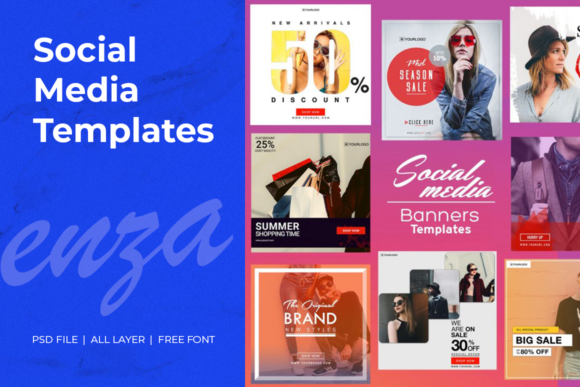
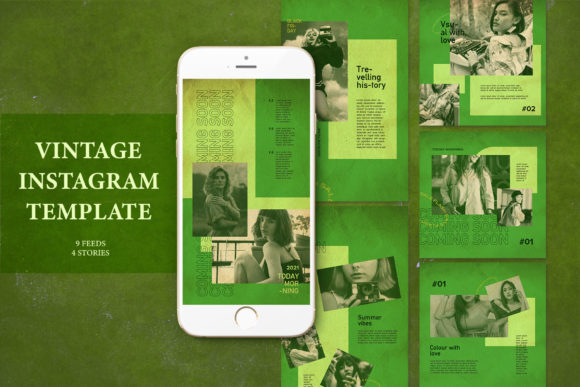
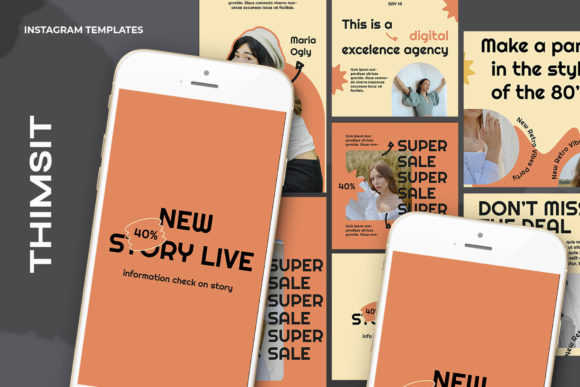
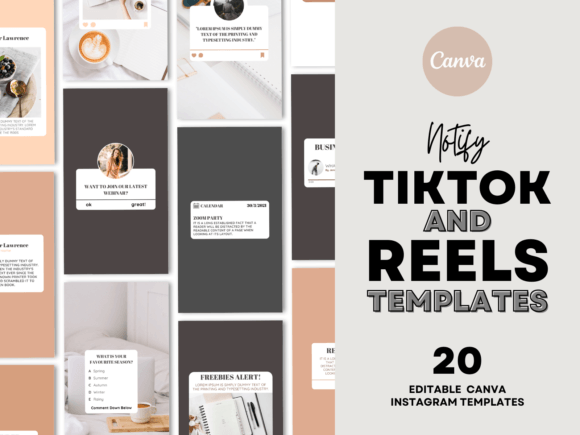
Unlike standard text-based to-do lists, these templates leverage modern typography and layout design to make planning engaging. The visual personality of these organizers is vibrant and energetic, designed to capture attention instantly when you open your editing software. The aesthetic relies on a balanced mix of sans serif fonts for readability and display fonts for headers, creating a clear hierarchy that guides your eye from the date to the specific content details. This approach mirrors the best practices of editorial design, where information architecture is just as important as the visual flair.
The core appeal lies in the customizable fields. You aren't just filling in blanks; you are interacting with a design system. The layout accommodates specific data points—dates, times, and caption hooks—without feeling cluttered. This structure helps in visualizing your content calendar as a whole, allowing you to spot gaps in your strategy or identify where you might be over-posting on a specific topic. The result is a tool that feels less like a chore and more like a creative brainstorming session.
Streamlining Workflow Across Platforms
The utility of these planning sheets extends beyond simple reminders. They serve as a central hub for your digital marketing efforts. When you sit down to batch content, having a visual template allows you to plan the aesthetic flow of your grid or video series. You can see how a script font in one post might pair with a serif font in the next, ensuring visual variety while maintaining cohesion. This is particularly useful for small business owners and entrepreneurs who need to maintain a professional brand identity without hiring a dedicated social media manager.
Furthermore, these assets are invaluable for collaboration. If you work with a team or a virtual assistant, a shared template ensures everyone is on the same page regarding the tone, timing, and visual direction of upcoming posts. It eliminates the back-and-forth of emails and spreadsheets, replacing them with a single, editable visual file. Whether you are a blogger scheduling a week of Instagram Stories or a crafter planning a product launch on TikTok, the workflow remains consistent.
Customization: Tailoring the Tool to Your Brand
A common friction point with digital planning tools is the inability to adapt them to existing branding. However, these templates are built with flexibility in mind. Because they are designed for platforms like Canva, the customization options are intuitive. You can swap out colors to match your specific hex codes, ensuring that even your planning phase reinforces your brand colors. You can replace the standard typeface with a premium font that you use for your logo or packaging design, creating a seamless experience from planning to publishing.
This level of customization is crucial for maintaining consistency. When your planning materials look and feel like your brand, it reinforces your identity every time you sit down to work. It turns the administrative side of content creation into an extension of your creative process. You can adjust the background textures, add your own watermarks, and modify the layout to suit the specific requirements of different platforms, whether it's a vertical format for Reels or a square grid for static posts.
Practical Application in Marketing Strategy
From a strategic standpoint, using visual organizers helps in evaluating your content mix. By laying out your week or month visually, you can easily identify if you are neglecting a specific content pillar—such as educational posts versus promotional ones. This bird's-eye view is essential for long-term growth. It allows you to balance "growth" content designed to attract new followers with "nurture" content that engages your existing community and "convert" content that drives sales.
Consider the practical example of a small business owner launching a new product. Using a Social Media Reminder Template, they can map out a two-week campaign arc. The first week might focus on teaser posts using bold typography to build anticipation, while the second week shifts to detailed tutorials and testimonials. By visualizing this sequence in the template, they ensure the messaging flows logically and the timing aligns with their email marketing and website updates.
Choosing the Right Design Assets
When selecting templates, look for designs that prioritize clarity. While decorative elements are nice, the primary function is information management. Ensure the template you choose has ample space for text without looking cramped. Check the font pairings included; a good template will offer a mix of handwritten fonts for personal touches and clean sans serif fonts for legibility on smaller screens.
Additionally, consider the scalability of the asset. A high-quality template should be easy to edit repeatedly without degrading in quality. It should be versatile enough to handle different types of content, from short-form video scripts to static image captions. By investing in a robust set of planning tools, you are not just buying a graphic; you are investing in a system that saves time, reduces cognitive load, and elevates the professionalism of your digital footprint.